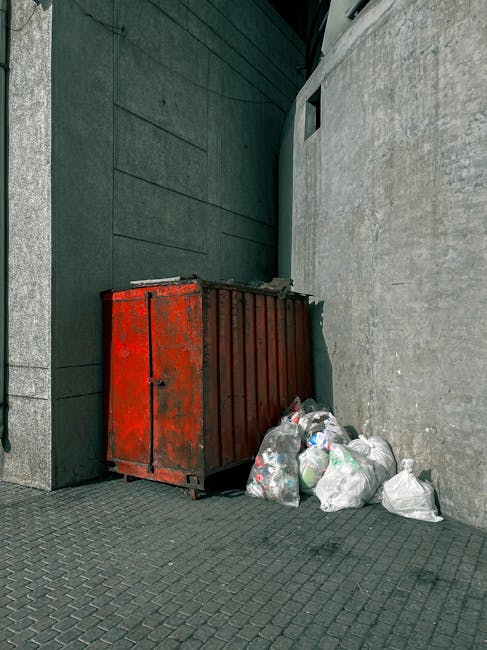
Heathrow Terminal 5 bulky rubbish disposal rules: what you can take, what to avoid, and how to do it properly
If you are dealing with bulky rubbish around Heathrow Terminal 5, the rules can feel oddly specific. One minute you are trying to shift an old chair, the next you are wondering whether a suitcase, appliance, or bit of building waste will cause a problem. That is exactly why understanding Heathrow Terminal 5 bulky rubbish disposal rules matters. It helps you avoid delays, keep staff and visitors safe, and choose the right disposal method first time. In practice, that usually means planning ahead, separating waste sensibly, and making sure anything taken away is handled in line with local site requirements and UK waste best practice.
This guide explains the practical side of bulky item disposal near Terminal 5 in plain English. You will learn what usually counts as bulky rubbish, why sites like Heathrow tend to be strict, how disposal typically works, what mistakes cause the most trouble, and when a professional clearance service makes life much easier. Truth be told, bulky waste is rarely just "a few bits and pieces". It tends to snowball.
- Why the rules matter
- How disposal works in practice
- Key benefits and practical advantages
- Who needs this and when it makes sense
- Step-by-step guidance
- Expert tips for better results
- Common mistakes to avoid
- Tools, resources and recommendations
- Law, compliance, standards and best practice
- Options and comparison table
- Real-world example
- Practical checklist
- Conclusion
- Frequently asked questions
Why Heathrow Terminal 5 bulky rubbish disposal rules Matters
Heathrow Terminal 5 is not the kind of place where waste can be left casually beside a wall or tucked into a random corner. It is a busy transport environment with constant movement, security considerations, cleaning schedules, fire safety concerns, and strict operational standards. Bulky rubbish left in the wrong place can block routes, create trip hazards, attract extra handling costs, or simply get rejected. And once it is rejected, the whole job becomes more awkward than it needed to be.
The "rules" matter because bulky waste is not just about removing large items. It is about where the item is stored, how it is moved, what it contains, and who is responsible for it. A sofa, desk, pallet of broken fittings, or old appliance may all need different treatment. If hazardous parts are involved, the issue becomes more serious. A stained mattress is one thing; a fridge, battery-containing item, or chemical container is another.
There is also the reputational side. In a place like Heathrow, poor waste handling sends the wrong signal fast. Staff, contractors, and visitors notice clutter. Security and facilities teams notice it even faster. A tidy removal process, by contrast, is almost invisible. That is the goal.
Expert summary: The safest approach near Terminal 5 is to treat bulky rubbish as controlled operational waste, not ordinary household clutter. Plan the removal, separate problem items early, and confirm acceptance rules before anything is moved.
How Heathrow Terminal 5 bulky rubbish disposal rules Works
In practical terms, bulky rubbish disposal near Heathrow Terminal 5 usually follows a simple chain: identify the item, check whether it is allowed, prepare it for collection, and move it through the correct route. The route might be an internal waste stream, a licensed carrier, a pre-booked collection, or another approved disposal method. The exact process depends on the site rules and the nature of the waste.
Here is the part people often miss: bulky does not always mean simple. A large item can still contain restricted materials. A fridge may contain refrigerant. An office chair may have metal, foam, and mixed plastics. A broken wardrobe may include treated wood or mirrors. That is why many sites prefer waste to be sorted before uplift.
Where the disposal is part of a business or contract operation, it is common to use a professional waste contractor. If you need broader support beyond one-off bulky pieces, a service like waste removal can be a practical route, especially when several item types need clearing together. For larger interior clearances, office clearance and home clearance can also be relevant depending on the source of the items.
In real life, the process often looks like this:
- Walk the area and identify every bulky item.
- Separate furniture, appliances, general rubbish, and anything potentially hazardous.
- Check whether the item can be reused, recycled, or must be treated as residual waste.
- Confirm access routes, lift use, and loading times.
- Arrange the right vehicle and team for the job.
- Remove the waste cleanly, leaving the area clear and safe.
If the items include broken appliances, it is wise to consider dedicated handling. A service such as fridge and appliance removal can be much more suitable than trying to mix those items into a general load. Same story with soft furnishings: mattress and sofa disposal is often easier when it is separated from mixed rubbish.
Key Benefits and Practical Advantages
Following the correct bulky waste rules is not just about compliance. It saves time, money, and, frankly, a lot of unnecessary back-and-forth.
- Fewer rejected collections: Items are less likely to be refused because they were prepared correctly.
- Safer working environment: Proper disposal reduces obstructions and handling risks.
- Better recycling outcomes: Sorting bulky items early makes reuse and recycling more realistic.
- Less disruption: A clean removal keeps the area usable for staff and operations.
- Clearer accountability: Everyone knows who arranged what, which helps if questions come later.
There is also a practical cashflow benefit for businesses. If you are managing a site near Heathrow, delays can be expensive in a quiet, unglamorous way. One blocked corridor or missed uplift can ripple through a whole day. Nobody wants that on a Monday morning, especially not when the bins are already full and someone has left a desk half in, half out of a doorway.
For larger commercial loads, using a service that is set up for mixed and recurring waste can help. business waste removal is often a better fit than ad hoc disposal when bulky items are part of a wider operational stream.
Who This Is For and When It Makes Sense
This topic is relevant to more people than you might expect. Bulky rubbish around Terminal 5 is not only a facilities issue. It touches contractors, office teams, retail units, cleaning crews, fit-out teams, landlords, and sometimes travellers or landlords handling end-of-tenancy or asset changes nearby.
You may need to think about these rules if you are:
- clearing old furniture from a workspace
- removing packaging, fittings, or construction offcuts after a project
- disposing of damaged appliances or soft furnishings
- emptying storage rooms, back-of-house spaces, or garages
- managing a move, refurbishment, or end-of-lease cleanout
- dealing with mixed waste where some items are bulky and others are not
For example, a small airline office might only need a few desks and chairs removed. But once you add monitors, cable clutter, filing cabinets, and an old fridge, the job changes completely. It starts looking more like a planned clearance. If you are in that situation, office clearance can be more appropriate than a one-off rubbish lift.
Homeowners and landlords in nearby Hillingdon and the wider Heathrow area also face similar issues. A tenant move-out can produce a strange mix of things: a broken bed frame, a sofa with a sagging seat, two dining chairs, a lamp, and a surprising amount of "miscellaneous". That is where structured services like house clearance or flat clearance can save a lot of hassle.
Step-by-Step Guidance
Here is a straightforward way to handle bulky rubbish near Heathrow Terminal 5 without making it harder than it needs to be.
1. Identify every item clearly
Make a list of what needs to go. Not a rough guess. A proper list. Note whether each item is furniture, appliance, mixed material waste, construction debris, or potentially hazardous. That first pass often changes the whole plan.
2. Separate special categories
Keep hazardous items away from ordinary bulky waste. Batteries, chemicals, refrigerants, sharp fragments, and contaminated materials should not be bundled in with general rubbish. If in doubt, treat the item cautiously and get advice before moving it.
3. Check access and handling needs
Measure doorways, service lifts, stairwells, and loading points. A bulky item that fits in a room may still be awkward in a corridor or vehicle. A large sofa seems friendly until you try turning it round a tight corner. Then it becomes a different beast entirely.
4. Decide whether reuse, recycling, or disposal is the best route
Not everything has to go straight to disposal. Some furniture can be reused. Some metals and appliances can be recycled. Some items simply need specialist treatment. If a load includes salvageable items alongside rubbish, separate them early to reduce waste and cost.
5. Book the right collection method
Choose a disposal option that matches the job size. Small loads may suit a single collection. Bigger clearances may need a dedicated team. If you are planning works, it may help to coordinate with builders waste clearance so bulky debris and construction waste do not pile up together.
6. Prepare the area before collection
Move items to the agreed point if site rules allow it, but only where safe. Keep pathways clear. Protect floors if needed. Make sure staff know collection timing. Five minutes of preparation can save a frustrating half hour later.
7. Confirm final disposal and paperwork
Good waste management ends with a clean handover. If you are operating commercially, keep records, notes, and any transfer details that show where waste went and who handled it. That sort of tidy admin feels dull on the day, but it matters later.
Expert Tips for Better Results
After enough bulky clearances, a few patterns become obvious.
- Photograph the load before collection. It helps avoid confusion and gives everyone the same picture of the job.
- Keep recyclable materials separate. Metal, cardboard, and clean timber should not be buried inside mixed rubbish if you can avoid it.
- Schedule removals outside peak movement times. Around busy sites, this reduces delays and friction.
- Use the right disposal stream for the right material. A fridge, a sofa, and builders' rubble should not all be treated the same way.
- Label problem items early. If something is broken, contaminated, or potentially hazardous, make that obvious from the start.
A small but important tip: do not leave bulky waste "for later" and hope it disappears. It rarely does. Usually it grows legs, metaphorically speaking, and becomes everyone's problem.
If you are trying to improve environmental performance, a service with a recycling focus can help. It is worth checking how waste streams are handled through recycling and sustainability. Even when you cannot reuse an item, it may still be possible to divert parts of it away from landfill.
Common Mistakes to Avoid
The biggest mistakes are usually simple ones, which is irritating because they are so easy to prevent.
- Mixing hazardous and non-hazardous waste: This creates compliance problems and can make the whole load more difficult to process.
- Assuming "bulky" means "anything large": Size alone is not enough. Material type matters just as much.
- Leaving access planning too late: If a trolley, lift, or parking bay is needed, sort that out before collection day.
- Forgetting about sharp edges or glass: One cracked panel can turn a normal move into an injury risk.
- Not checking item condition: A leaking appliance or contaminated mattress can need special handling.
Another common issue is underestimating volume. A single filing cabinet sounds manageable. Add a broken desk, a couple of monitors, packaging, and a chair base, and suddenly the vehicle space starts disappearing. That is why a proper pre-check is worth the effort.
For larger household jobs, it can also be helpful to think in terms of the whole space rather than individual items. A home clearance approach often avoids the "one more thing" problem that slows everything down.
Tools, Resources and Recommendations
You do not need a van full of specialist kit to manage bulky rubbish well, but a few basic tools make the process cleaner and safer.
- Work gloves: Useful for grip and minor protection.
- Wheelie trolleys or sack trucks: Helpful for heavier items that can be moved safely on wheels.
- Stretch wrap and tape: Good for bundling loose parts or stopping doors and drawers from flapping open.
- Moving blankets or floor protection: Useful in managed buildings where damage avoidance matters.
- Labels or marker pens: Simple, but brilliant for separating loads.
For people handling business records alongside bulky rubbish, it is smart to separate sensitive paperwork before the clearance begins. A dedicated service such as confidential shredding can be the cleaner solution. Paper waste mixed into furniture and general rubbish is a mess nobody needs.
If you are comparing service choices, it can also help to look at the provider's basic standards: insured handling, safe lifting practices, clear pricing, and transparent payment terms. Pages such as insurance and safety, payment and security, and pricing and quotes can be useful touchpoints when you are making that decision.
Law, Compliance, Standards, or Best Practice
Bulky waste near Heathrow Terminal 5 should be handled with the usual UK waste duty of care mindset: keep waste secure, transfer it only to appropriate and authorised handlers, and avoid mixing streams in ways that create risk or confusion. That is the plain-English version. The exact obligations can vary depending on whether you are a household, business, contractor, landlord, or managing agent, so it is sensible to follow current legal and site-specific requirements rather than relying on guesswork.
In practical terms, best practice usually means:
- using a licensed and suitable waste carrier
- sorting hazardous items separately
- keeping records where needed
- preventing unsafe storage or obstruction
- making sure waste does not escape into shared routes or public areas
If a clearance is happening inside a business environment, the bar is higher. Fire exits, security routes, and clean corridors all matter. A tidy approach protects operations and also reduces the chance of complaints. If you have ever tried to move a bulky cabinet through a half-blocked service corridor while people are coming and going, you will know how quickly "simple" becomes awkward.
Site rules are just as important as legal ones. Heathrow locations often have their own procedures for loading, access, and waste holding. Those should be followed exactly, even if they feel a little fussy. Fussy is better than a stoppage.
Options, Methods, or Comparison Table
There is no single correct way to deal with bulky rubbish near Terminal 5. The right option depends on what the item is, how much there is, and how urgently it needs to go.
| Method | Best for | Pros | Watch-outs |
|---|---|---|---|
| Internal site disposal route | Controlled waste already identified by the site | Simple when the process is already set up | May have strict acceptance and timing rules |
| General waste clearance | Mixed bulky items and everyday rubbish | Flexible and convenient | Can become inefficient if special items are included |
| Furniture or appliance-specific removal | Sofas, beds, fridges, white goods | Better handling for specific item types | Needs correct separation in advance |
| Full office or property clearance | End-of-lease, refurbishment, or move-out jobs | Good for larger or more complex clearances | Requires planning and access coordination |
| Builders waste clearance | Fit-outs, refurbishments, and light construction debris | Useful for mixed hard waste | Not suitable for every appliance or household item |
For many readers, the best answer is a blended one. For example, a workplace near Terminal 5 may need office furniture removed, one appliance collected separately, and a few construction leftovers dealt with in a different stream. That is normal. In fact, it is usually the smartest approach.
Case Study or Real-World Example
Picture a small facilities team working near Terminal 5 on a Friday afternoon. They need to clear an old storage room before new equipment arrives on Monday. Inside are four broken office chairs, a worn sofa, a dead fridge, some boxed paper waste, and a pile of mixed packaging. Nothing dramatic. Nothing glamorous either.
At first glance, it looks like one van load and done. But once the team checks the items properly, the fridge is separated for specialist handling, the sofa is treated as furniture waste, and the paper is removed from the mixed load so it can be managed more cleanly. The job becomes more orderly. Less surprise, more control.
The team also measures the loading route, confirms timing with the site contact, and removes the items in the right order. Chairs first, then packaging, then the larger items. The result is a clear room, no obstruction in the corridor, and no awkward last-minute scramble when someone realises the fridge will not fit through the lift without planning. Small things, really. But small things decide whether the day feels smooth or chaotic.
If that same clearance had been left to the last minute, it would likely have involved more handling, more stress, and more backtracking. That is the real lesson. Good bulky waste disposal is mostly about preparation.
Practical Checklist
Use this checklist before arranging bulky rubbish disposal near Heathrow Terminal 5.
- Have I identified every item that needs to go?
- Have I separated furniture, appliances, general waste, and hazardous items?
- Do I know whether any item needs specialist handling?
- Have I checked access routes, lifts, parking, and loading points?
- Are the items safe to move, or do they need protection and wrapping?
- Have I confirmed who is responsible for the waste once it leaves the site?
- Do I have any records or notes I should keep?
- Have I chosen a disposal method that matches the actual waste type?
- Have I checked whether reuse or recycling is possible for any item?
- Have I built in enough time so the job does not become rushed?
If you can tick most of those off, you are already ahead of the game. Honestly, that alone saves a lot of headaches.
Conclusion
Heathrow Terminal 5 bulky rubbish disposal rules are really about order, safety, and choosing the right route for each item. Once you understand that, the process becomes much easier. Large waste is only difficult when it is mixed, rushed, or left to guesswork. Handle it properly and it is manageable. Handle it badly and it turns into the sort of nuisance everyone remembers.
Whether you are clearing a workplace, dealing with furniture, removing appliances, or preparing for a larger operational cleanout, the best results come from a simple habit: sort first, move second, dispose properly. That is the whole thing, really. Not flashy, just effective.
Get a free quote today and see how much you can save.
And if you are planning ahead for a wider cleanout, it may also help to review practical support on book online, then work from there at a pace that suits your site and your schedule. A calm, well-planned clearance always feels better than a rushed one. Every time.
Frequently Asked Questions
What counts as bulky rubbish near Heathrow Terminal 5?
Bulky rubbish usually means large items that are awkward to move or cannot go into normal bins, such as furniture, mattresses, appliances, cabinets, and some mixed hard waste. The exact acceptance rules depend on the site and the item type.
Can I just leave bulky waste in a loading area?
No, not unless the site specifically allows it. Leaving items in the wrong place can block access, create safety issues, and lead to the waste being rejected or moved again.
Are fridges treated differently from other bulky items?
Yes. Fridges and similar appliances often need special handling because they may contain refrigerants or other components that require careful processing. They should not be lumped in with ordinary rubbish.
What should I do with a sofa or mattress?
These items are usually best handled separately because soft furnishings can be awkward, bulky, and sometimes contaminated. Dedicated removal is often the neatest option, especially for larger clearances.
Do I need to sort recyclable items out first?
It is strongly recommended. Separating reusable or recyclable materials makes disposal cleaner, can reduce waste, and may lower the amount of mixed rubbish that needs processing.
What happens if bulky waste is mixed with hazardous material?
That can create a compliance issue and may prevent the whole load from being handled normally. Hazardous items should be identified early and kept apart from general bulky waste.
Is a skip always the best option for bulky rubbish?
Not always. Skips can be useful for mixed waste, but they are not ideal for every item type, and some bulky items need separate handling. It depends on access, waste type, and how much there is.
How far in advance should I arrange disposal?
As early as you can, especially if access needs to be coordinated or the waste includes more than one category. For busy sites, last-minute arrangements tend to cause avoidable delays.
Can bulky waste be removed during office hours?
Sometimes, yes, but it depends on the site rules and how disruptive the move will be. Many businesses prefer quieter windows to reduce interruptions and make access easier.
What records should businesses keep?
Businesses should keep clear notes about what was removed, who handled it, and where appropriate waste went. Good records help with accountability and make future audits or queries much easier to answer.
How do I know which clearance service I need?
Match the service to the waste. Furniture jobs need furniture handling, appliance loads need appliance removal, and larger mixed clearances may need a broader waste or property clearance approach. If you are unsure, start with the most specific category you can identify.
What is the safest way to move large items?
Use proper lifting techniques, clear access routes, and the right moving equipment. If an item is too heavy, too awkward, or too damaged to move safely, it is better to treat it as a planned removal rather than forcing it.